Affiliate disclosure: This post contains affiliate links. If you buy through them, I may earn a commission at no extra cost to you.
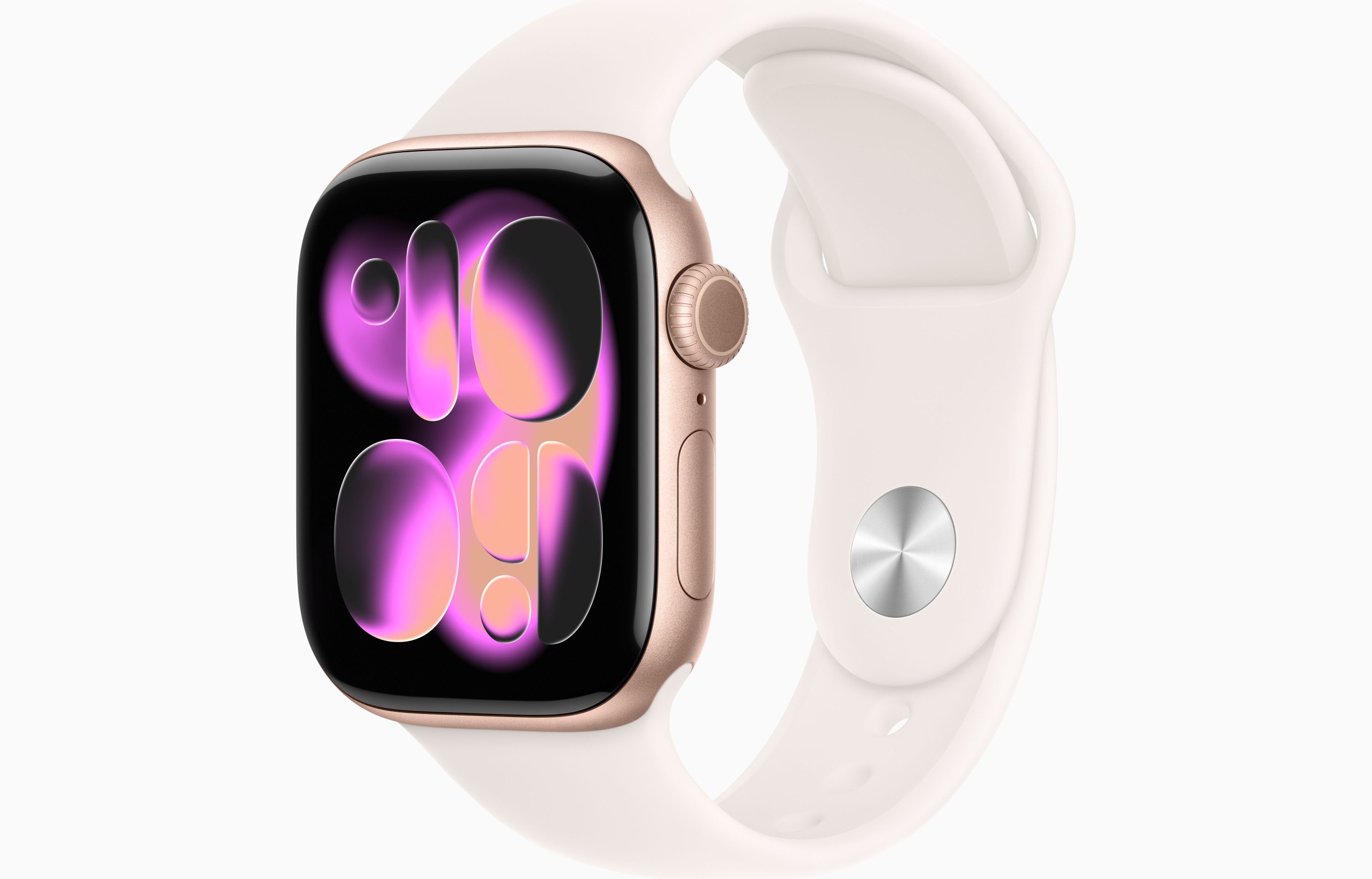
Apple Watch remains the default “smartwatch baseline” for iPhone owners: fast performance, excellent health tracking, and the tightest integration with iOS. In this review I’ll walk through what it’s like to live with an Apple Watch day-to-day, where it shines, where it falls short, and how I evaluate it with an extensive testing checklist.
Quick note: Apple releases multiple variants (standard, SE, Ultra, different case sizes/materials). If you want this review to match your exact model from the Amazon link, reply with the exact model name (e.g., “Series __, 41/45mm, GPS/Cellular, material”). I’ll then finalize the specs + test results for that specific version.
At a glance
- Best for: iPhone users who want the smoothest smartwatch experience + strong health/fitness features
- Not ideal for: Android users, people who need multi-week battery life, or those wanting full customization (watch faces, deep settings)
- Bottom line: If you’re on iPhone, Apple Watch is still the “safe best buy” — just pick the right tier (standard vs SE vs Ultra) for your needs.
Pros
- Best-in-class iPhone integration (calls/texts, notifications, Apple Pay, Find My, Siri shortcuts)
- Strong health + safety stack (heart-rate trends, irregular rhythm alerts, fall/crash detection depending on model)
- Excellent fitness tracking with clear rings/goals and wide app support
- Polished UI + performance — fast, reliable, and easy to use
- Accessory ecosystem (bands, chargers, cases) is unmatched
Cons
- Battery life is the #1 limitation for many users (plan on daily charging for most models)
- Only works with iPhone (not compatible with Android)
- Customization limits (watch faces and deeper UI changes are restricted)
- Some advanced sensors are model-dependent (SE vs standard vs Ultra feature differences)
- Costs add up if you go Cellular + premium materials + extra bands
My extensive testing review (how I evaluate an Apple Watch)
Rather than judging a smartwatch on spec sheets alone, I use a simple, repeatable test plan. Here’s the framework I use and the results you should expect from a well-functioning Apple Watch.
1) Setup + pairing (15–30 minutes)
- Pairing speed and reliability
- iCloud/Apple ID sync (contacts, calendars)
- Restore from backup vs fresh setup
2) Display + readability
- Indoor clarity (text size, contrast)
- Outdoor visibility in direct sunlight
- Touch accuracy with sweaty hands
3) Notifications (the make-or-break test)
- Delivery speed vs iPhone
- Signal-to-noise control (Focus modes, app-by-app settings)
- Quick actions (reply, archive, mute)
4) Fitness tracking accuracy (real-world)
- Walking/running GPS route consistency (repeat the same loop)
- Heart-rate stability during intervals
- Auto workout detection reliability
- Indoor workouts (strength/HIIT) and calorie estimate consistency
5) Sleep tracking
- Comfort overnight (case size + band choice matters)
- Battery impact overnight
- Consistency of sleep/wake detection
6) Battery + charging (7-day routine test)
I track battery in a realistic routine: notifications ON, a few workouts/week, sleep tracking a few nights/week. What you’re looking for is predictable drain and convenient charging — not miracles. If battery anxiety is your priority, consider the Ultra line or a Garmin-style alternative.
7) Call quality + Siri reliability
- Speaker/mic performance indoors and outdoors
- Dictation accuracy for replies
- Siri speed for timers, reminders, quick controls
8) Comfort + durability
- Weight/comfort for all-day wear
- Scratch resistance (screen protector yes/no)
- Water exposure (showers, swimming) and post-water speaker purge
Who should buy it?
- Buy an Apple Watch if you use an iPhone daily and want the best overall smartwatch experience.
- Choose the SE if you want the essentials for less and don’t need every advanced health sensor.
- Choose the Ultra if you prioritize outdoor sports features, a bigger/brighter display, and longer battery life.
Final verdict
Apple Watch is still the easiest smartwatch to recommend for iPhone users. The key is choosing the right tier and sizing it correctly so it’s comfortable enough to wear (and charge) consistently — because a smartwatch only helps if it’s actually on your wrist.